为全面提升人民健康水平,完善重大疾病防治策略,医学创新与国际协作已成为驱动临床进步的关键力量。在此背景下,2026年4月24日至25日,由中国医疗保健国际交流促进会血液学分会主办,血液系统疾病国家临床医学研究中心、北京大学血液病研究所承办的“2026北京国际造血干细胞移植学术会议(AOT)”于北京隆重召开。本届大会以“移植的艺术”为核心主题,汇聚全球血液学领域的顶尖学者,深入探讨造血干细胞移植领域的前沿技术创新与发展趋势。会议期间,《肿瘤瞭望-血液时讯》特邀美国希望之城Andrew Artz教授接受采访,围绕美国老年患者造血干细胞移植中的关键临床问题,分享其学术观点与实践经验,以期为临床诊疗提供有益参考。
随着人口老龄化加速,老年患者接受造血干细胞移植(HSCT)的比例逐年上升。您如何评价当前美国老年患者HSCT的整体发展趋势?在适应证选择和患者筛选方面,是否发生了关键性的转变?
Andrew Artz教授:在考察美国乃至全球老年人群的器官移植现状时,数据显示老年患者接受移植的比例正在持续上升。以往被视为禁忌的年龄上限逐步被突破:从历史上的50岁,逐步延伸至60岁、70岁,乃至目前的80岁,甚至这一界限也在逐渐淡化。因此,当前最显著的变化是移植技术在老年人群中的广泛应用日益普遍,老年患者在移植总体人群中所占比例不断提高,这也直接反映在移植病房收治的老年患者数量显著增多。
与此同时,患者选择与适应证的范围也在随之调整。具体而言,随着更多老年患者接受移植,疾病谱系呈现相应变化,例如急性髓系白血病、骨髓增生异常综合征及骨髓纤维化等常见于高龄患者的疾病类型日益凸显,而以往较为多见的急性淋巴细胞白血病或再生障碍性贫血等骨髓衰竭状态则相对减少。由此可见,适应证的主要演变源于受者年龄结构的整体上升,以及与之相关的、在老年群体中更为多发或典型的疾病类型。
As the proportion of older patients undergoing hematopoietic stem cell transplantation (HSCT) continues to rise with population aging, how do you assess the current landscape of HSCT in older adults in the United States? Have there been any pivotal shifts in patient selection or indications?
When examining the current status of organ transplantation for the elderly population in the United States and globally, data clearly indicate a continuous increase in the proportion of older patients receiving transplants. The age limits once considered contraindications are being progressively surpassed: historically 50 years, then extending to 60, 70, and currently 80 years, with even this boundary gradually fading. Consequently, the most significant change is the increasingly widespread application of transplantation in the elderly. The proportion of older patients within the overall transplant population is rising, which is directly reflected in a notable increase in the number of elderly patients admitted to transplant units.
Simultaneously, patient selection and the scope of indications are also adapting accordingly. Specifically, as more elderly patients undergo transplantation, the disease spectrum is shifting. For instance, diseases more common in advanced age, such as acute myeloid leukemia (AML), myelodysplastic syndrome (MDS), and myelofibrosis, are becoming increasingly prominent. In contrast, previously more prevalent conditions like acute lymphoblastic leukemia (ALL) or bone marrow failure states such as aplastic anemia are relatively decreasing. Thus, the primary evolution in indications stems from the overall aging of the recipient population and the associated diseases that are more frequent or typical in the elderly.
在老年患者中,合并症负担与生理储备差异显著。您在临床实践中如何平衡移植相关毒性与潜在获益?目前在预处理强度(如RIC方案)及个体化评估工具方面,有哪些值得关注的进展?
Andrew Artz教授:在老年移植受者的评估中,除年龄外,合并症与生理储备的差异亦导致其健康状况存在显著异质性。随年龄增长,单纯依赖主观评估往往不够可靠。因此,在权衡治疗相关毒性与潜在获益以制定个体化策略时,目前尚未形成统一标准。
该评估通常需遵循多步骤流程。首先,应基于疾病本身进行预后判断,例如骨髓增生异常综合征患者可能具有较长自然病程,而急性髓系白血病即使获得缓解、达到微小残留病灶阴性,亦可能维持数年生存,故需始终从疾病自然史出发。其次,需综合评价患者的整体状态,评估移植相关毒性风险,明确虽移植可提高疾病清除率,但需考量其所付出的代价。因此,患者对治疗耐受度的信息是此评估体系的关键组成部分。最后,至少在临床实践中,广泛采用的是“共同医疗决策”模式,这需要患者及其家属的深入参与。此类决策亦需结合患者的文化背景与价值取向,例如他们对长期住院、就近居住或家庭照护的意愿与承受能力。倾听患者对其治疗目标的看法,往往直接影响最终治疗方向的选择,从而使决策更符合患者整体利益与生活意愿。
Given the heterogeneity in comorbidities and physiological reserve among older patients, how do you balance transplant-related toxicity against potential benefits in your clinical practice? What notable advances have been made in conditioning intensity (e.g.RIC) and individualized assessment tools?
In the assessment of elderly transplant recipients, beyond age, differences in comorbidities and physiological reserve also lead to significant heterogeneity in their health status. With increasing age, reliance solely on subjective assessment often proves unreliable. Therefore, when weighing treatment-related toxicity against potential benefit to develop individualized strategies, a unified standard has not yet been established.
This assessment typically requires a multi-step process. First, prognosis should be judged based on the disease itself. For example, patients with myelodysplastic syndrome may have a longer natural history, and even acute myeloid leukemia in remission with minimal residual disease (MRD) negativity can maintain survival for several years. Thus, evaluation must always start from the natural history of the disease. Second, a comprehensive assessment of the patient's overall condition is needed to evaluate the risk of transplant-related toxicity. It must be clarified that while transplantation can improve disease clearance rates, the associated cost must be considered. Therefore, information regarding the patient's tolerance to treatment is a key component of this evaluation framework. Finally, at least in clinical practice, the widely adopted model is "shared decision-making," which requires the deep involvement of patients and their families. Such decisions must also consider the patient's cultural background and value orientation, such as their willingness and ability to tolerate long-term hospitalization, living near the treatment center, or receiving family care. Listening to patients' views on their treatment goals often directly influences the final choice of treatment direction, thereby making decisions more aligned with the patient's overall interests and life preferences.
从长期结局来看,老年移植患者在复发、GVHD及生活质量管理方面面临独特挑战。您认为未来在优化老年患者移植结局方面,哪些策略(如微小残留病监测、维持治疗或支持治疗体系)最具潜力?
Andrew Artz教授:在老年移植受者的治疗中,复发、移植物抗宿主病及生活质量均是需重点关注的议题。尽管这些挑战在所有年龄段均存在,但老年患者常因罹患更高危的疾病、且对移植相关毒性的耐受性更低,使得治疗权衡的考量更为复杂。因此,我所关注的治疗策略主要聚焦于那些能够更早、更有效控制疾病的非移植方法。
当前移植得以更广泛、更安全开展的原因之一,在于多种治疗手段的进步,例如BCL-2抑制剂等靶向药物,能够帮助患者在移植前以更佳的身体状态实现疾病控制。这使得移植可转变为对已控制疾病的巩固治疗,而非针对活动期病变的强行干预,后者往往伴随更高风险与难度。尽管如此,我认为依据供体特征、疾病风险、患者整体健康状况及移植物抗宿主病风险进行分层评估,仍可指导针对个体制定最适宜的支持治疗策略。虽然支持治疗未必能治愈所有患者,但其伤害通常最小。
因此,基于现有进展,可以乐观地认为,通过适当的支持与优化治疗措施,可为每位患者提供恢复更迅速、损伤更轻微的临床路径。这正是治疗优化方案受到重视的原因——其在几乎不增加额外伤害的前提下,有望使所有患者获益。
From the perspective of long-term outcomes, older transplant recipients face unique challenges related to relapse, graft-versus-host disease (GVHD), and quality of life. In your view, which strategies—such as minimal residual disease (MRD) monitoring, maintenance therapy, or supportive care optimization—hold the greatest promise for improving outcomes in this population?
In the treatment of elderly transplant recipients, relapse, graft-versus-host disease (GVHD), and quality of life are all critical issues requiring focus. Although these challenges exist across all age groups, elderly patients often face more complex treatment trade-offs due to a higher incidence of high-risk diseases and lower tolerance to transplant-related toxicity. Therefore, the treatment strategies I focus on primarily center on non-transplant methods that can control the disease earlier and more effectively.
One reason transplantation can now be performed more widely and safely is the advancement of various treatment modalities, such as targeted drugs like BCL-2 inhibitors, which can help patients achieve disease control in better physical condition prior to transplantation. This allows transplantation to potentially serve as a consolidative therapy for controlled disease, rather than a forceful intervention for active disease, the latter often carrying higher risks and difficulties. Nonetheless, I believe that risk stratification based on donor characteristics, disease risk, the patient's overall health status, and GVHD risk can still guide the development of the most suitable supportive care strategy for the individual. Although supportive care may not cure every patient, it typically carries the least harm.
Therefore, based on current progress, it is reasonable to be optimistic that through appropriate supportive and optimized treatment measures, a clinical pathway with quicker recovery and less injury can be provided for each patient. This is precisely why treatment optimization protocols are valued—they hold the potential to benefit all patients while adding almost no additional harm.
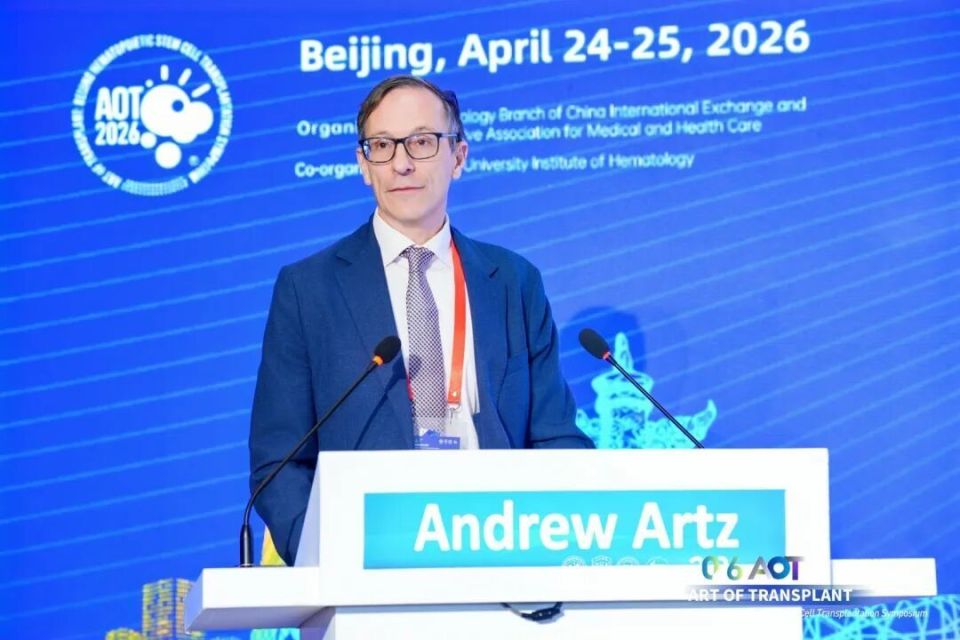
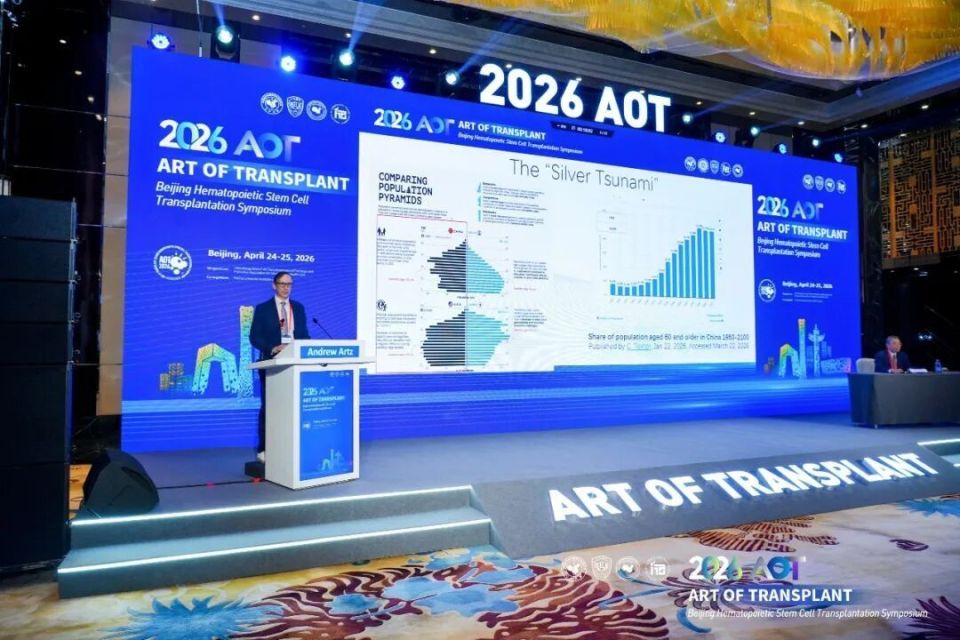
专家简介
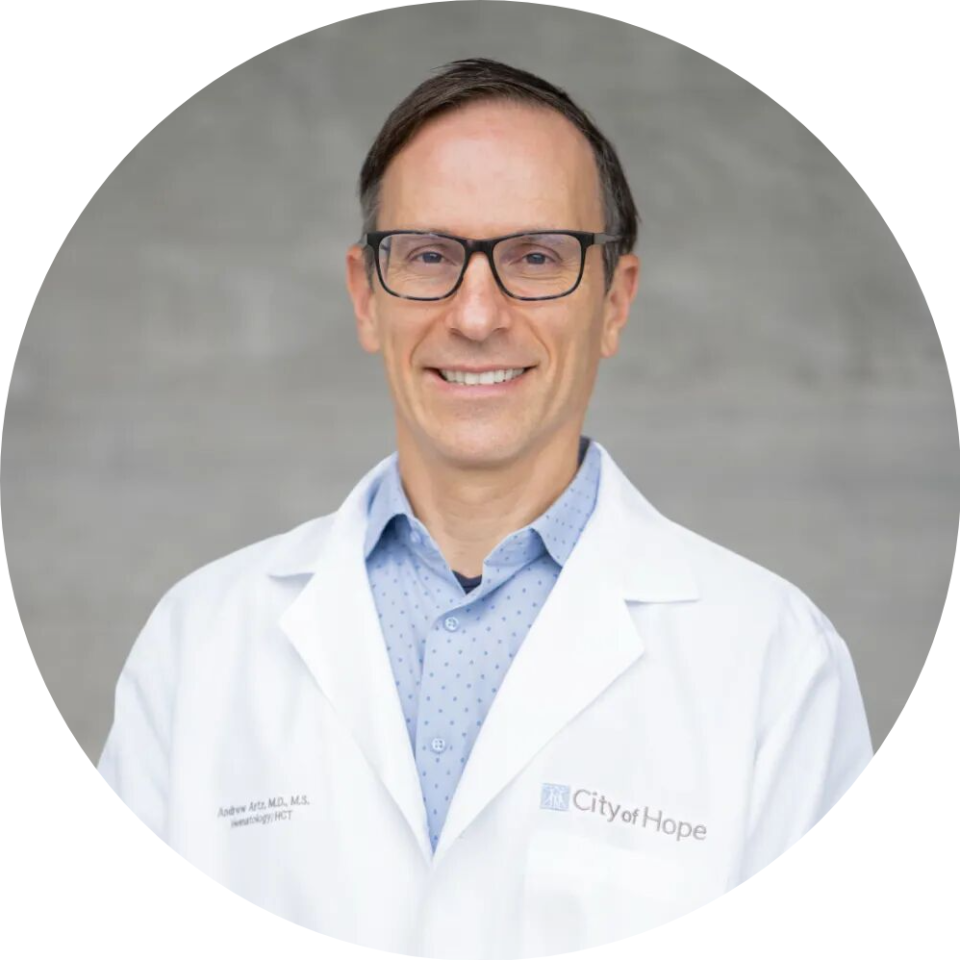
Andrew Artz教授
美国希望之城
安德鲁·阿尔茨(Andrew Artz)医学博士、理学硕士,数十年来致力于满足老年白血病与血液疾病患者的特殊需求。作为该领域公认的领军人物,他建立了独特的多学科协作项目,帮助高龄患者在接受挽救生命的干细胞移植前达到最佳状态。同时,他还主导了多项研究,以深入理解并治疗老年贫血问题。
阿尔茨博士在家乡西弗吉尼亚州摩根敦的西弗吉尼亚大学获得医学学位,随后在华盛顿特区的乔治城大学完成内科住院医师培训,并在芝加哥大学完成血液学/肿瘤学专科培训。此后,他在西雅图的弗雷德·哈钦森癌症中心接受了为期六个月的移植专科进修,担任访问医师。在加入希望之城(City of Hope)之前,他曾任芝加哥大学移植项目临床主任及血液科主治医师。
在希望之城,阿尔茨博士领导“衰老与血液肿瘤项目”。